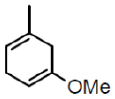
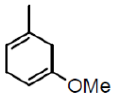
Q1 · 2019 · 2 marks
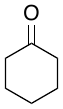
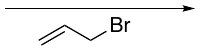
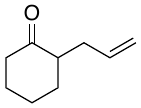
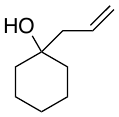
The major product in the following reaction is: 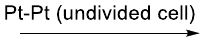
Show answer
Answer: (b)
Report an error in ABC26OR0398
Q2 · 2019 · 2 marks
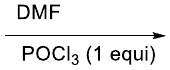
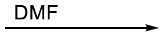
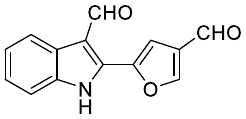
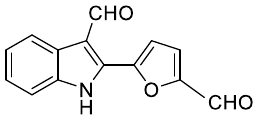
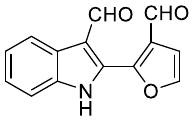
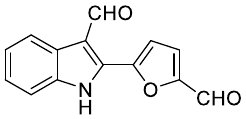
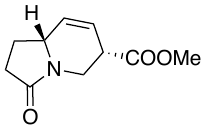
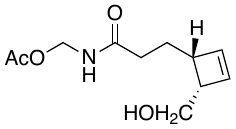
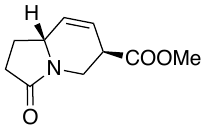
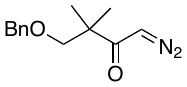
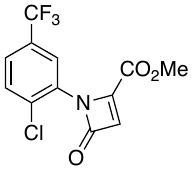
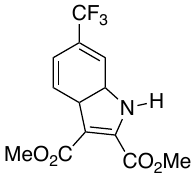
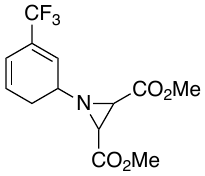
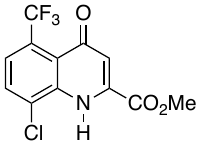
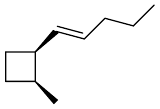
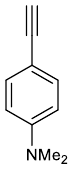
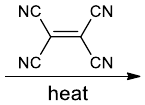
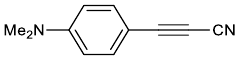
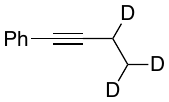
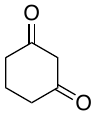
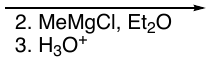
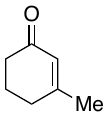
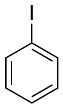
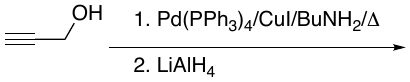
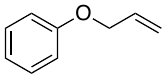
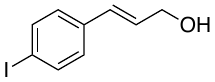
The major product in A and B in the following reaction sequence is: 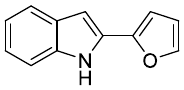



Show answer
Answer: (d)
Report an error in ABC26OR0404
Q3 · Dec 2019 · 2 marks
E1cb mechanism is followed in the reaction of:
- (a) 2-bromopentane with t-BuOK to give pent-2-ene.
- (b) Nitromethane with benzaldehyde in the presence of KOH to give \beta-styrene.
- (c) Bromobenzene with NaNH 2 to give aniline.
- (d) P-chloronitrobenzene with NaOMe to give p -nitroanisole.
Show answer
Answer: (b)
Report an error in ABC26OR0414
Q4 · Dec 2019 · 2 marks
The major product in the following reaction is: 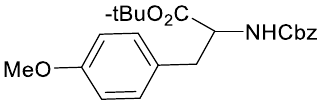
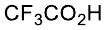
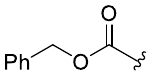
Show answer
Answer: (d)
Report an error in ABC26OR0419
Q5 · Dec 2019 · 2 marks
The major product formed in the following reaction is 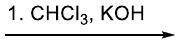


Show answer
Answer: (a)
Report an error in ABC26OR0421
Q6 · Dec 2019 · 2 marks
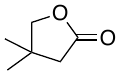
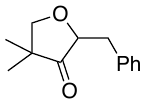
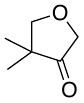
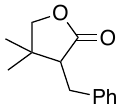
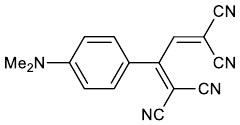
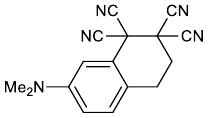
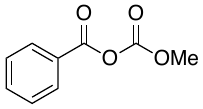
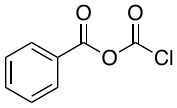
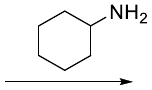
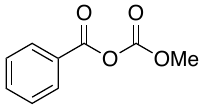
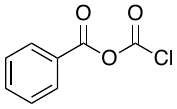
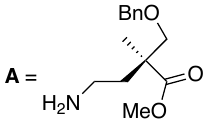
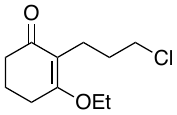
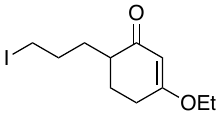
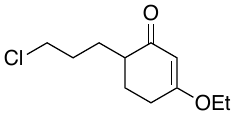
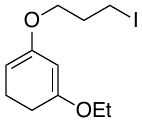
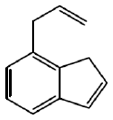
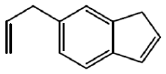
The major product A and the byproducts B formed in the following reaction are 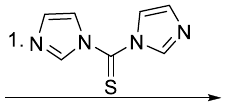
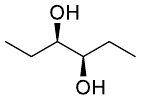


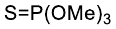

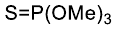

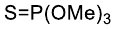
- (a)


- (b)


- (c)


- (d)

 \mathrm{B}=\mathrm{O}=\mathrm{C}=\mathrm{S}, \mathrm{S}=\mathrm{P}(\mathrm{OMe})_{3}
Show answer
Answer: (a)
Report an error in ABC26OR0430
Q7 · Dec 2019 · 2 marks
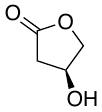
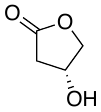
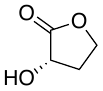
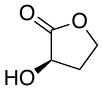
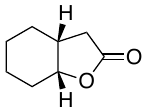
In the following transformation, the enantiomerically pure lactone A is 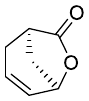
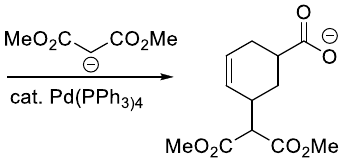
- (a) Equimolar amounts of syn and anti diastereomers of B , both of which are racemic.
- (b) Equimolar amounts of syn and anti diastereomers of B , both of which are enantiomerically pure.
- (c) Only syn diasteroeomer of B, which is racemic.
- (d) Only anti diasteromer of B , which is enantiomerically pure.
Show answer
Answer: (c)
Report an error in ABC26OR0436
Q8 · Dec 2019 · 2 marks
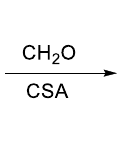
The major product in the following reaction is 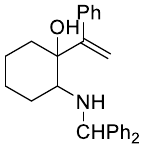


Show answer
Answer: (b)
Report an error in ABC26OR0440
Q9 · Dec 2019 · 2 marks
The correct sequence of reactions involved in the following transformation is: 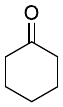
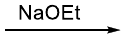
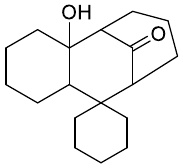
- (a) Aldol condensation, Michael addition, aldol reaction
- (b) Aldol condensation, aldol reaction, Michael addition
- (c) Michael addition, Aldol condensation, aldol reaction
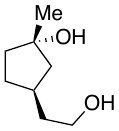
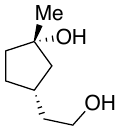
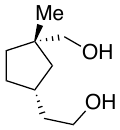
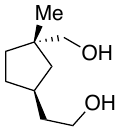
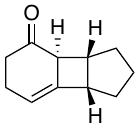
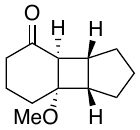
- (d) Aldol condensation, Michael addition, Michael addition
Show answer
Answer: (a)
Report an error in ABC26OR0444
Q10 · June 2018 · 2 marks
The major product formed in the following reaction is: 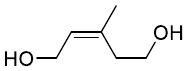
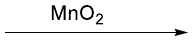
Show answer
Answer: (c)
Report an error in ABC26OR0362
Q11 · June 2018 · 2 marks
The major product formed in the following reaction is: 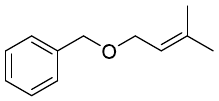


Show answer
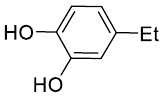
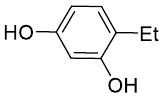
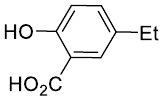
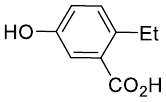
Answer: (c)
Report an error in ABC26OR0363
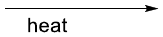
Q12 · June 2018 · 2 marks
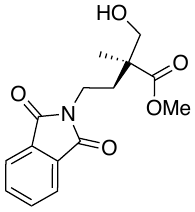
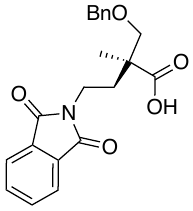
The major heterocyclic compound formed in the following reaction is 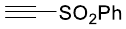



Show answer
Answer: (c)
Report an error in ABC26OR0373
Q13 · Dec 2018 · 2 marks
Correct sequence of reagents to be used for the following conversion is- 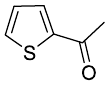
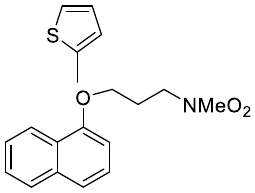
- (a) I) NaH, 1-fluoronaphthalene; II) NaBH4; III) i(CH2O)n, Me2NH.HCl; ii. 5 N NaOH
- (b) I) NaBH4; II) NaH, 1-fluoronaphthalene; III) i(CH2O)n, Me2NH.HCl; ii. 5N NaOH
- (c) I) (CH2O)n, Me2NH.HCl; ii. 5N NaOH; II) NaBH4; III) NaH, 1-fluoronaphthalene
- (d) I) i(CH2O)n, Me2NH.HCl; ii. 5N NaOH; II) NaH, 1-fluoronaphthalene
Show answer
Answer: (c)
Report an error in ABC26OR0382
Q14 · Dec 2018 · 2 marks
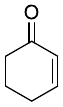
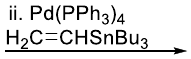
The major product formed in the following reaction is: 



Show answer
Answer: (a)
Report an error in ABC26OR0384
Q15 · Dec 2018 · 2 marks
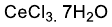
The correct sequence of reagents to be used for the following conversion is- 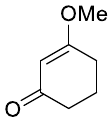
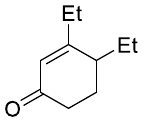
- (a) I) \mathrm{LDA}, \mathrm{EtBr}; II) EtLi ; III) \mathrm{H}_{3} \mathrm{O}^{+}
- (b) I) EtLi ; II) \mathrm{LDA}, \mathrm{EtBr}; III) \mathrm{H}_{3} \mathrm{O}^{+}
- (c) I) \mathrm{H}_{3} \mathrm{O}^{+}; II) EtLi ; III) LDA, EtBr
- (d) I) EtLi ; II) \mathrm{H}_{3} \mathrm{O}^{+}; III) \mathrm{LDA}, \mathrm{EtBr}
Show answer
Answer: (a)
Report an error in ABC26OR0387
Q16 · Dec 2018 · 2 marks
Both 1-chloro-1-phenylpropan-2-one and 1-chloro-3-phenylpropan-2-one give same product A when heated in presence of NaOMe. The product A is
- (a) Methyl 3-phenylpropanoate
- (b) Methyl 2- phenylpropanoate
- (c) Methyl 2-methoxy-2-phenylacetate
- (d) 1-methoxy-3-phenylpropan-2-one
Show answer
Answer: (a)
Report an error in ABC26OR0388
Q17 · June 2017 · 2 marks
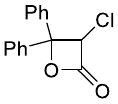
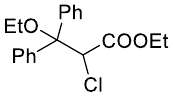
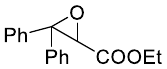
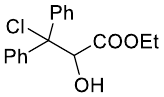
The major product formed in the sodium ethoxide mediated reaction between benzophenone and chloroacetate is
Show answer
Answer: (c)
Report an error in ABC26OR0330
Q18 · June 2017 · 2 marks
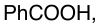
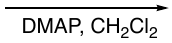
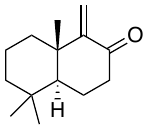
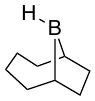
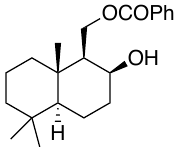
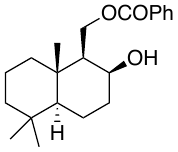
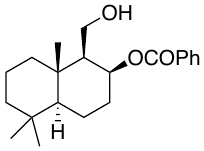
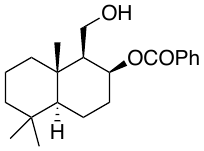
The correct combination of reagents to effect the following reaction is: 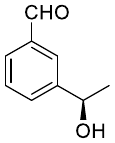
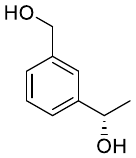
- (a) i) \mathrm{POCl}_{3}, pyridine; ii) AgoAc ; iii) \mathrm{LiAlH}_{4}
- (b) i) \mathrm{NaBH}_{4}; ii) \mathrm{Ph}_{3} \mathrm{P}, DEAD, \mathrm{PhCO}_{2} \mathrm{H}
- (c) i) \mathrm{Ph}_{3} \mathrm{P}, \mathrm{DEAD}, \mathrm{PhCO}_{2} \mathrm{H}; ii) \mathrm{LiAlH}_{4}
- (d) i) PCC; ii) L-selectride
Show answer
Answer: (c)
Report an error in ABC26OR0336
Q19 · Dec 2017 · 2 marks
Correct sequence of steps involved in the following transformation is 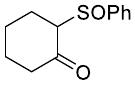
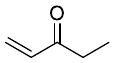

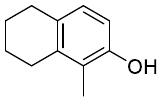
- (a) Michael addition, aldol condensation, syn elimination, keto-enol tautomerism
- (b) aldol condensation, electrocyclic ring closing, syn elimination, dehydrogenation
- (c) Michael addition, Claisen condensation, anti-elimination, keto-enol tautomerism
- (d) Robinson annulation, dehydrogenation, anti-elimination
Show answer
Answer: (a)
Report an error in ABC26OR0354
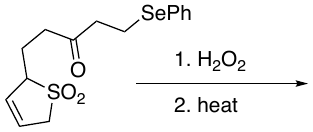
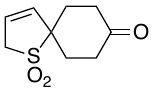
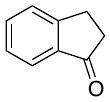
Q20 · June 2017 · 2 marks
Following reaction is an example of 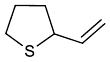
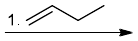

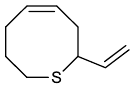
- (a) Ramberg-Backlund reaction
- (b) [2, 3]-sigmatropic shift
- (c) [3, 3]-sigmatropic shift
- (d) Pummerer rearrangement
Show answer
Answer: (b)
Report an error in ABC26OR1047
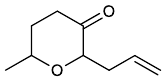
Q21 · Dec 2017 · 2 marks
The following reaction involves 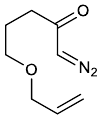

- (a) [1, 2] sigmatropic rearrangement
- (b) [2, 3] sigmatropic rearrangement
- (c) [3, 3] sigmatropic rearrangement
- (d) C-H insertion reaction
Show answer
Answer: (b)
Report an error in ABC26OR1051
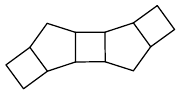
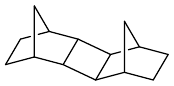
Q22 · June 2016 · 2 marks
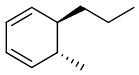
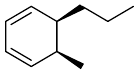
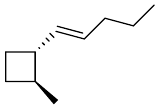
The major products A and B formed in the following reaction sequence are 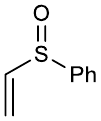









Show answer
Answer: (c)
Report an error in ABC26OR0153
Q23 · June 2016 · 2 marks
The major product formed in the following reaction is: 

Show answer
Answer: (a)
Report an error in ABC26OR0287
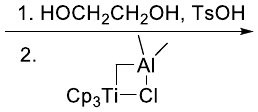
Q24 · June 2016 · 2 marks
The major product formed in the following reaction sequence is: 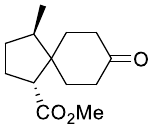


Show answer
Answer: (c)
Report an error in ABC26OR0290
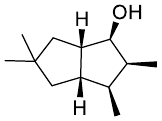
Q25 · June 2016 · 2 marks
The correct reagent combination to effect the following reaction is: 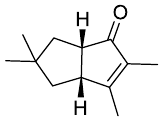
- (a) (i) \mathrm{NaBH}_{4}, \mathrm{CeCl}_{3}, \mathrm{MeOH}, 0^{\circ} \mathrm{C} (ii) \mathrm{H}_{2},\left[\operatorname{Ir}(\mathrm{COD})(\mathrm{py}) \mathrm{P}(\mathrm{Cy})_{3}\left[\mathrm{PF}_{6}\right]\right. (iii) \mathrm{Ph}_{3} \mathrm{P}, \mathrm{PhCO}_{2} \mathrm{H}, \mathrm{DEAD} (iv) \mathrm{LiAlH}_{4}
- (b) i) Li, liquid \mathrm{NH}_{3} ii) \mathrm{H}_{2},\left[\operatorname{Ir}[\mathrm{COD})(\mathrm{py}) \mathrm{P}(\mathrm{Cy})_{3}\right] \mathrm{PF}_{6} iii) \mathrm{Ph}_{3} \mathrm{P}, \mathrm{PhCO}_{2} \mathrm{H}, \mathrm{DEAD} iv) \mathrm{NaBH}_{4}, \mathrm{CeCl}_{3}, \mathrm{MeOH}, 0^{\circ} \mathrm{C}
- (c) i) \mathrm{H}_{2}, \mathrm{Pd} / \mathrm{C} ii) \mathrm{LiAlH}_{4},-78^{\circ} \mathrm{C}
- (d) i) \mathrm{H}_{2}, Pd/C ii) Li , liquid \mathrm{NH}_{3}
Show answer
Answer: (a)
Report an error in ABC26OR0296
Q26 · Dec 2016 · 2 marks
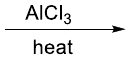
The most stable product formed in the following reaction is 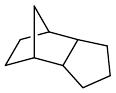
Show answer
Answer: (a)
Report an error in ABC26OR0309
Q27 · Dec 2016 · 2 marks
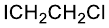
The major product formed in the following reaction is: 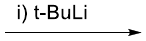

Show answer
Answer: (c)
Report an error in ABC26OR0312
Q28 · Dec 2016 · 2 marks
The major product in the following reaction is 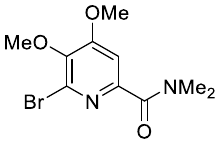




Show answer
Answer: (a)
Report an error in ABC26OR0322
Q29 · June 2016 · 2 marks
The frontier orbital interactions involved in the formation of the carbocation intermediate in the reaction of isobutylene with HCl are
- (a) \pi of olefin and \sigma^* of HCl
- (b) \pi of olefin and \sigma of HCl
- (c) \pi^* of olefin and \sigma^* of HCl
- (d) \pi^* of olefin and \sigma of HCl
Show answer
Answer: (a)
Report an error in ABC26OR1042
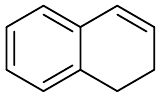
Q30 · June 2016 · 2 marks
The following transformation proceeds through two consecutive electrocyclic processes, which are 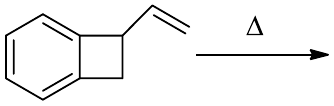
- (a) 4 \pi conrotatory and 6 \pi conrotatory
- (b) 4 \pi disrotatory and 6 \pi conrotatory
- (c) 4 \pi conrotatory and 6 \pi disrotatory
- (d) 4 \pi disrotatory and 6 \pi disrotatory
Show answer
Answer: (c)
Report an error in ABC26OR1043
Q31 · Dec 2016 · 2 marks
The correct sequence of pericyclic reactions involved in the following transformation is 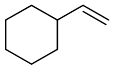
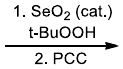
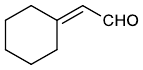
- (a) (i) ene reaction, (ii) [2,3]-sigmatropic shift, (iii) [3,3]-sigmatropic shift
- (b) (i) ene reaction, (ii) [3,3]-sigmatropic shift, (iii) [1,3]-sigmatropic shift
- (c) (i) [2,3]-sigmatropic shift, (ii) ene reaction, (iii) [1,3]-sigmatropic shift
- (d) (i) [1,3]-sigmatropic shift, (ii) [2,3]-sigmatropic shift, (iii) [3,3]-sigmatropic shift
Show answer
Answer: (a)
Report an error in ABC26OR1046
Q32 · June 2015 · 2 marks
The major product formed in the following reaction is 

Show answer
Answer: (a)
Report an error in ABC26OR0151
Q33 · June 2015 · 2 marks
The major product formed in following reaction is 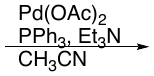
Show answer
Answer: (b)
Report an error in ABC26OR0256
Q34 · June 2015 · 2 marks
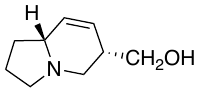
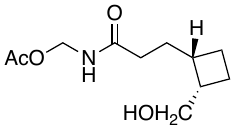
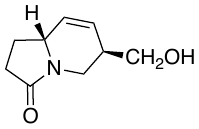
The structures of A and B in the following reaction sequence are 


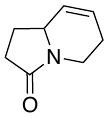
Show answer
Answer: (b)
Report an error in ABC26OR0262
Q35 · Dec 2015 · 2 marks
The major product formed in the following reaction is 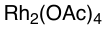


Show answer
Answer: (b)
Report an error in ABC26OR0264
Q36 · Dec 2015 · 2 marks
The major product formed in the following reaction sequence is: 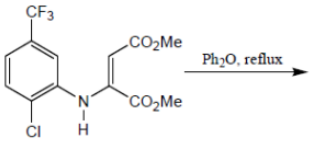
Show answer
Answer: (d)
Report an error in ABC26OR0266
Q37 · Dec 2015 · 2 marks
The major structures of A and B in the following reaction sequence are 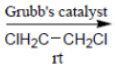
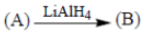
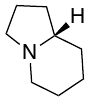


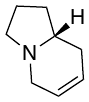
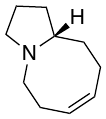
Show answer
Answer: (c)
Report an error in ABC26OR0269
Q38 · Dec 2015 · 2 marks
The major structures of A and B in the following reaction sequence are 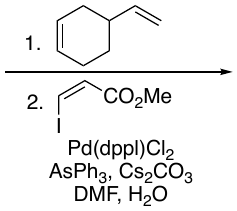

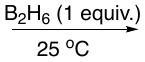


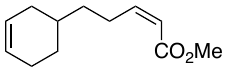

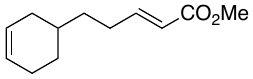

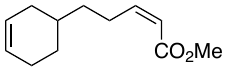

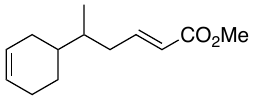
Show answer
Answer: (a)
Report an error in ABC26OR0272
Q39 · Dec 2015 · 2 marks
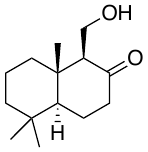
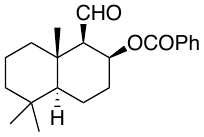
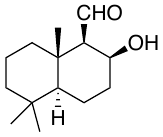
The major structures of A and B in the following reaction sequence are 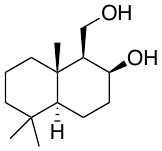






Show answer
Answer: (a)
Report an error in ABC26OR0279
Q40 · Dec 2015 · 2 marks
The major product formed by photochemical reaction of (2E, 4Z, 6E)-decatriene is
Show answer
Answer: (a)
Report an error in ABC26OR1038
Q41 · Dec 2014 · 2 marks
The major product of the following reaction is
Show answer
Answer: (c)
Report an error in ABC26OR0150
Q42 · June 2014 · 2 marks
The products A and B in the following reaction sequence are: 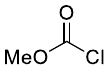
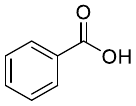


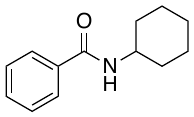
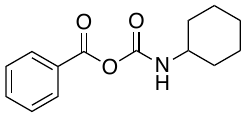

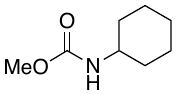

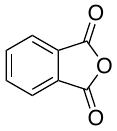
Show answer
Answer: (a)
Report an error in ABC26OR0233
Q43 · June 2014 · 2 marks
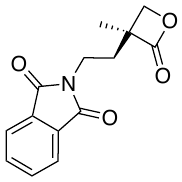
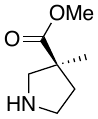
The products A and B in the following reaction sequence are: 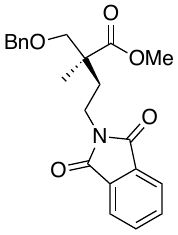
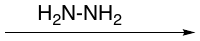


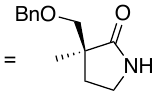

Show answer
Answer: (a)
Report an error in ABC26OR0234
Q44 · Dec 2014 · 2 marks
The major product formed in the following reaction sequence is: 



Show answer
Answer: (c)
Report an error in ABC26OR0239
Q45 · Dec 2014 · 2 marks
The major product formed in the following reaction is: 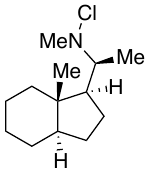


Show answer
Answer: (a)
Report an error in ABC26OR0241
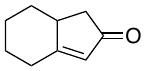
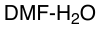
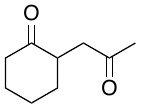
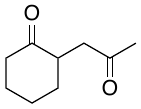
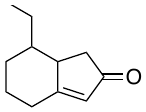
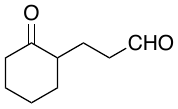
Q46 · Dec 2014 · 2 marks
The products A and B in the following reaction sequence are: 






Show answer
Answer: (a)
Report an error in ABC26OR0243
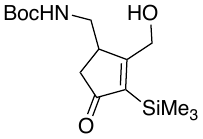
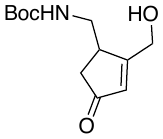
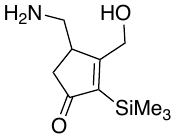
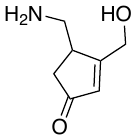
Q47 · Dec 2014 · 2 marks
The products A and B in the following reaction sequence are: 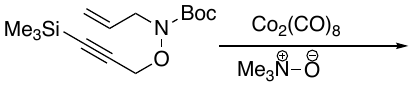


Show answer
Answer: (a)
Report an error in ABC26OR0244
Q48 · Dec 2014 · 2 marks
The major product of the following reaction is: 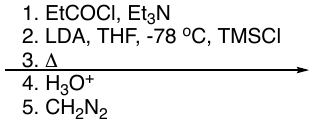
Show answer
Answer: (d)
Report an error in ABC26OR0248
Q49 · Dec 2014 · 2 marks
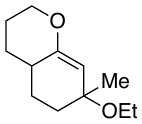
The products A and B in the following reaction sequence are 


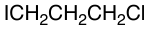


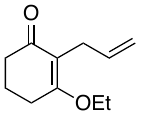
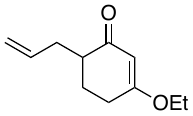
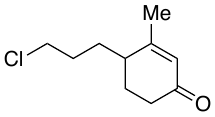
Show answer
Answer: (c)
Report an error in ABC26OR0253
Q50 · June 2014 · 2 marks
In a Diels-Alder reaction, the most reactive diene amongst the following is
- (a) (4E)-1, 4-hexadiene
- (b) (4Z)-1, 4-hexadiene
- (c) (2E, 4E)-2, 4-hexadiene
- (d) (2Z, 4Z)-2, 4-hexadiene
Show answer
Answer: (c)
Report an error in ABC26OR1033
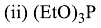
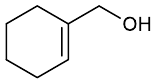
Q51 · June 2014 · 2 marks
Pericyclic reaction involved in one of the steps of the following reaction sequence is 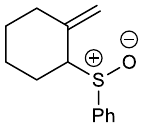

- (a) [1, 3] sigmatropic shift
- (b) [3, 3] sigmatropic shift
- (c) [1, 5] sigmatropic shift
- (d) [2, 3] sigmatropic shift
Show answer
Answer: (d)
Report an error in ABC26OR1034
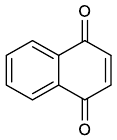
Q52 · June 2013 · 2 marks
The major product formed in the following reaction is 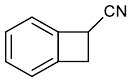
Show answer
Answer: (c)
Report an error in ABC26OR0145
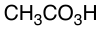
Q53 · June 2013 · 2 marks
The major product formed in the following reaction is: 

Show answer
Answer: (b)
Report an error in ABC26OR0217
Q54 · June 2013 · 2 marks
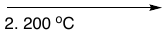
The major product formed in the following reaction is: 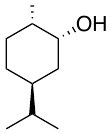

Show answer
Answer: (a)
Report an error in ABC26OR0219
Q55 · Dec 2013 · 2 marks
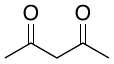
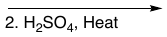
The major product formed in the following reaction is: 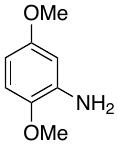

Show answer
Answer: (c)
Report an error in ABC26OR0220
Q56 · Dec 2013 · 2 marks
The major product formed in the following reaction is: 

Show answer
Answer: (d)
Report an error in ABC26OR0222
Q57 · Dec 2013 · 2 marks
The major product formed in the following reaction sequence is:
Show answer
Answer: (d)
Report an error in ABC26OR0224
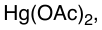
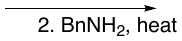
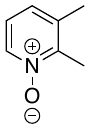
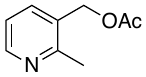
Q58 · Dec 2013 · 2 marks
In the following transformation, the reagent A and the major product B , respectively, are 
 and
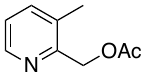
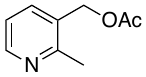
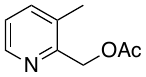
- (a)
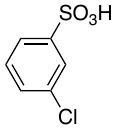 and
- (b)
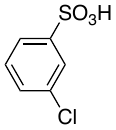 and
- (c)
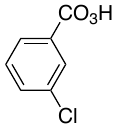 and
- (d)
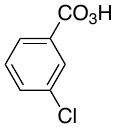
Show answer
Answer: (d)
Report an error in ABC26OR0225
Q59 · Dec 2013 · 2 marks
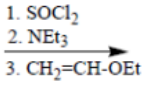
The major product formed in the following reaction sequence is: 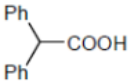
Show answer
Answer: (b)
Report an error in ABC26OR0227
Q60 · Dec 2013 · 2 marks
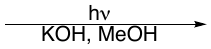
The major product formed in the following reaction sequence is: 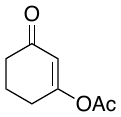

Show answer
Answer: (a)
Report an error in ABC26OR0228
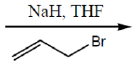
Q61 · June 2012 · 2 marks
The major product formed in the following reaction is: 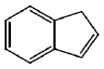
Show answer
Answer: (d)
Report an error in ABC26OR0194
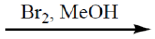
Q62 · June 2012 · 2 marks
The major product formed in the following reaction is: 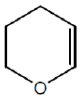
Show answer
Answer: (b)
Report an error in ABC26OR0195
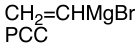
Q63 · June 2012 · 2 marks
The major product formed in the following reaction is: 


Show answer
Answer: (a)
Report an error in ABC26OR0202
Q64 · Dec 2012 · 2 marks
The major product formed in the following reaction is 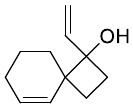


Show answer
Answer: (c)
Report an error in ABC26OR0209
Q65 · Dec 2012 · 2 marks
The major product formed in the following reaction sequence is 


Show answer
Answer: (b)
Report an error in ABC26OR0213
Q66 · Dec 2012 · 2 marks
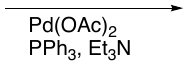
The major product B formed in the following reaction sequence is 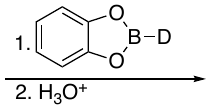


Show answer
Answer: (a)
Report an error in ABC26OR0214
Q67 · Dec 2012 · 2 marks
The major product B formed in the following reaction sequence is 


Show answer
Answer: (a)
Report an error in ABC26OR0215
Q68 · Dec 2012 · 2 marks
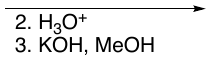
The major product formed in the following reaction is: 


Show answer
Answer: (b)
Report an error in ABC26OR0216
Q69 · Dec 2012 · 2 marks
The following transformation involves
- (a) an iminium ion, [3, 3]-sigmatropic shift and Mannich reaction.
- (b) a nitrenium ion, [3, 3]-sigmatropic shift and Michael reaction.
- (c) an iminium ion, [1, 3]-sigmatropic shift and Mannich reaction.
- (d) a nitrenium ion, [1,3]-sigmatropic shift and Michael reaction.
Show answer
Answer: (a)
Report an error in ABC26OR1023
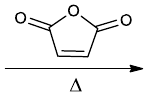
Q70 · Dec 2011 · 2 marks
The major products A and B in the following reaction sequence are 


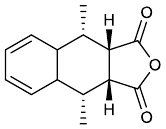

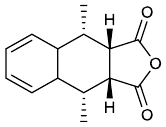
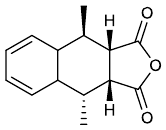
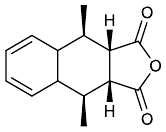
- (a)
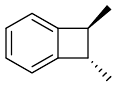

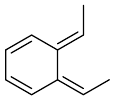
- (b)

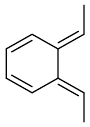 A = B =
- (c)
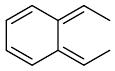 B =
- (d)

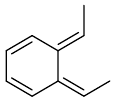
Show answer
Answer: (b)
Report an error in ABC26OR0142
Q71 · June 2011 · 2 marks
Show answer
Answer: (d)
Report an error in ABC26OR0173
Q72 · June 2011 · 2 marks
The major product formed in the following reaction is:
Show answer
Answer: (c)
Report an error in ABC26OR0174
Q73 · June 2011 · 2 marks
The major product formed in the following reaction is: 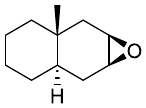

Show answer
Answer: (b)
Report an error in ABC26OR0175
Q74 · June 2011 · 2 marks
The major product formed in the following reaction is: 


Show answer
Answer: (b)
Report an error in ABC26OR0178
Q75 · Dec 2011 · 2 marks
The major product formed in the following reaction is 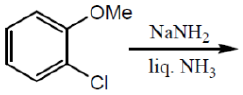
Show answer
Answer: (a)
Report an error in ABC26OR0182
Q76 · Dec 2011 · 2 marks
The major products A and B in the following reaction sequence are 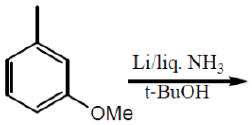
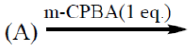


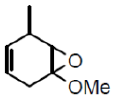

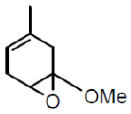

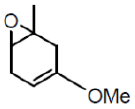

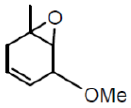
Show answer
Answer: (b)
Report an error in ABC26OR0193
Q77 · Dec 2011 · 2 marks
In the following concerted reaction, the product is formed by a 

- (a) 6 \pi - disrotatory electrocyclisation
- (b) 4 \pi - disrotatory electrocyclisation
- (c) 6 \pi - conrotatory electrocyclisation
- (d) 4 \pi - conrotatory electrocyclisation
Show answer
Answer: (a)
Report an error in ABC26OR1017
 ABC Chemistry
 CSIR NETChemical Science Coaching
 GATEChemical Science Preparation
 IIT JAMM.Sc Entrance Coaching
 CUET PGPost Graduate Entrance
 Class 11 ChemistryLive online
 Class 12 ChemistryLive onlineStudy LibraryPrevious year papers171 official papers · JAM, NET, GATE, CUETTopic-wise decks32 PDF + PPTX decks, freeBuild your own PDFChoose exam → topic → downloadStudy materialUnit-wise notes for the batchesTest papers 8–12School practice papersDreamer's QuizWeekly chemistry quizQuestions by topicRead online with verified answersSearchTopics, courses and articlesExam guidesSyllabus, pattern, eligibilityBlogChapter notes and PYQ analysisBooks by ABPeriodic table and data bookGreat Home TutorPh.DAboutContactBlogsQ&A▶️ YouTubeEnquiryBook a free demoCall +91 92121 42427
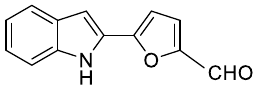


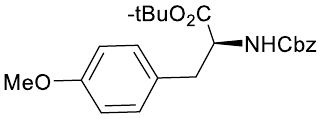
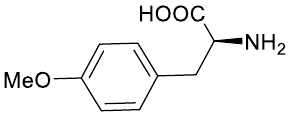
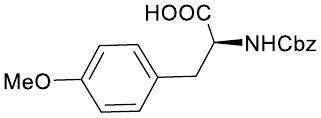
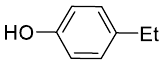

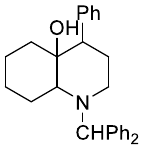
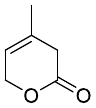
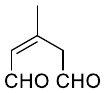
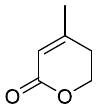
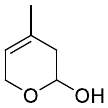
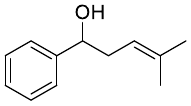
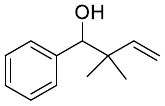
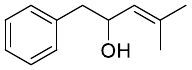
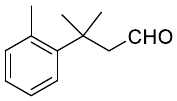
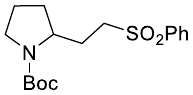
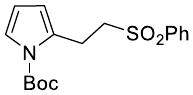
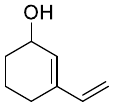
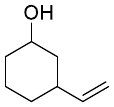
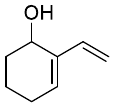
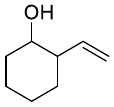


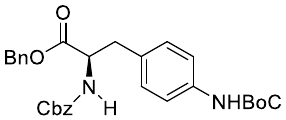
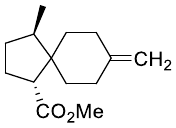

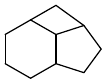
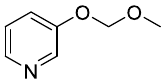
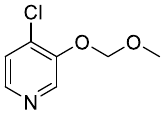
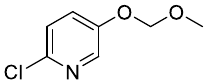
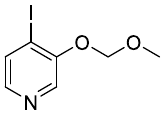
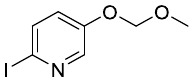
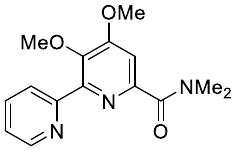
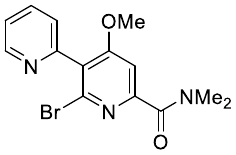
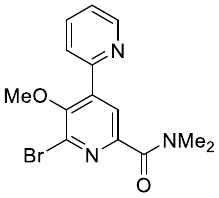
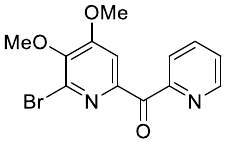

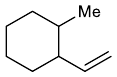
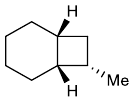
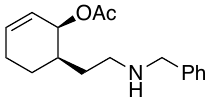
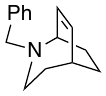
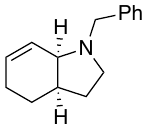
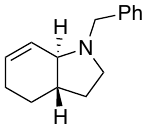
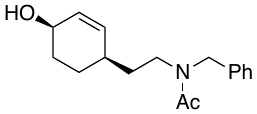
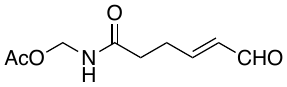

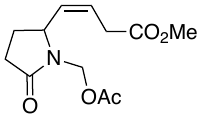


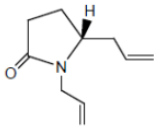
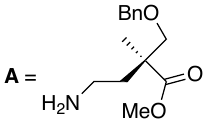
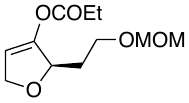
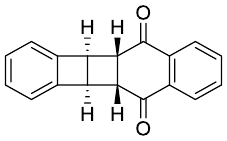
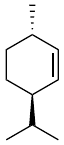
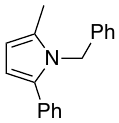
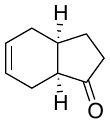
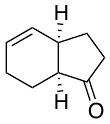
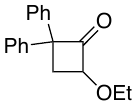
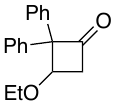
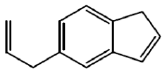
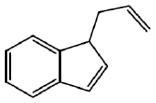
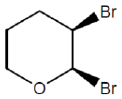
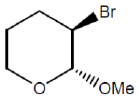
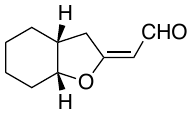
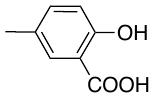
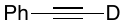
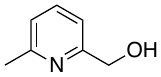
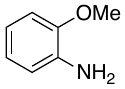
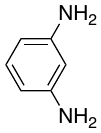
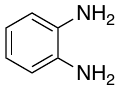
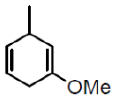
 A =

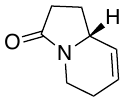

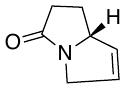

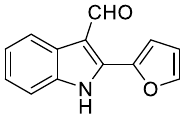
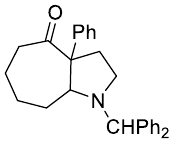
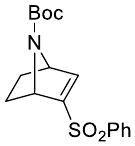
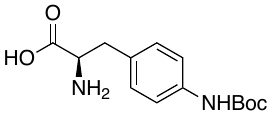
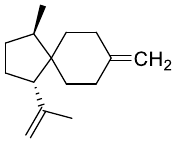
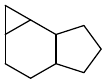
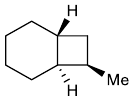
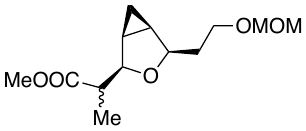
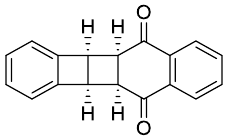
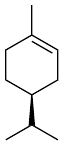
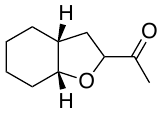
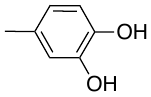
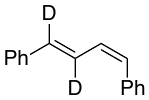
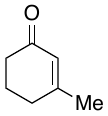
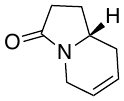 A =
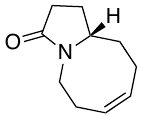

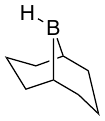

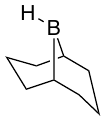

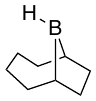








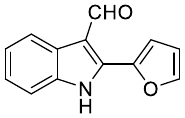
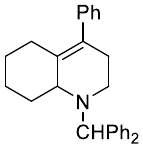
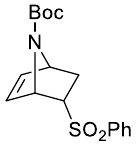
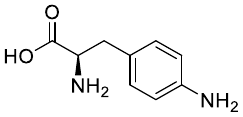
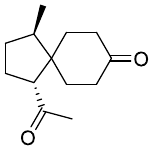
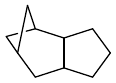
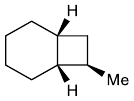
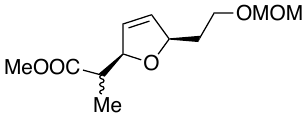
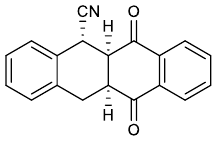
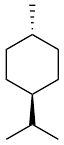
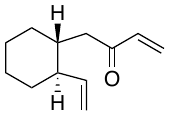
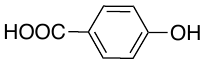
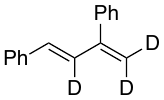
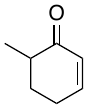
 A =



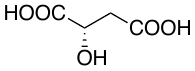








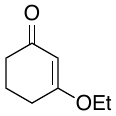






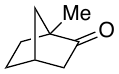
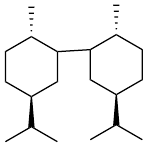
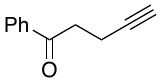
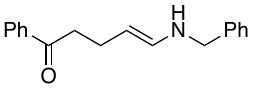
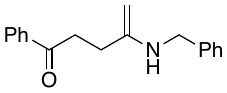
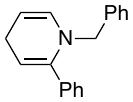
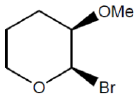
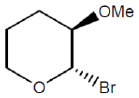
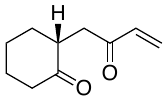
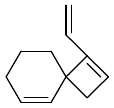
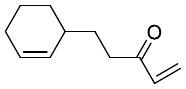
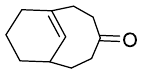
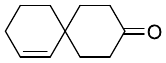
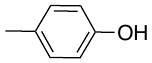
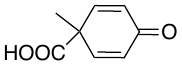
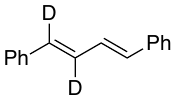
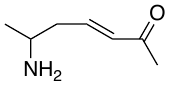
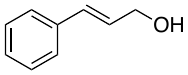
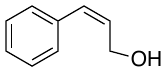
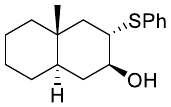
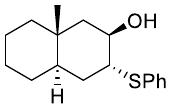
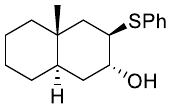
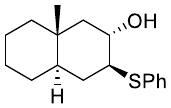
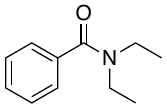
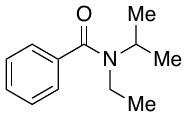


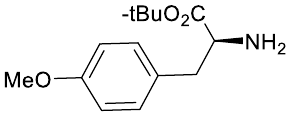
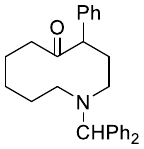
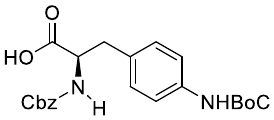
 A =